Smartphone Sensors and Processors Redefine Risk Modeling in New Mobile Slot Releases
Written by Katja Krause · Oct 12, 2026

Smartphone Sensors and Processors Redefine Risk Modeling in New Mobile Slot Releases
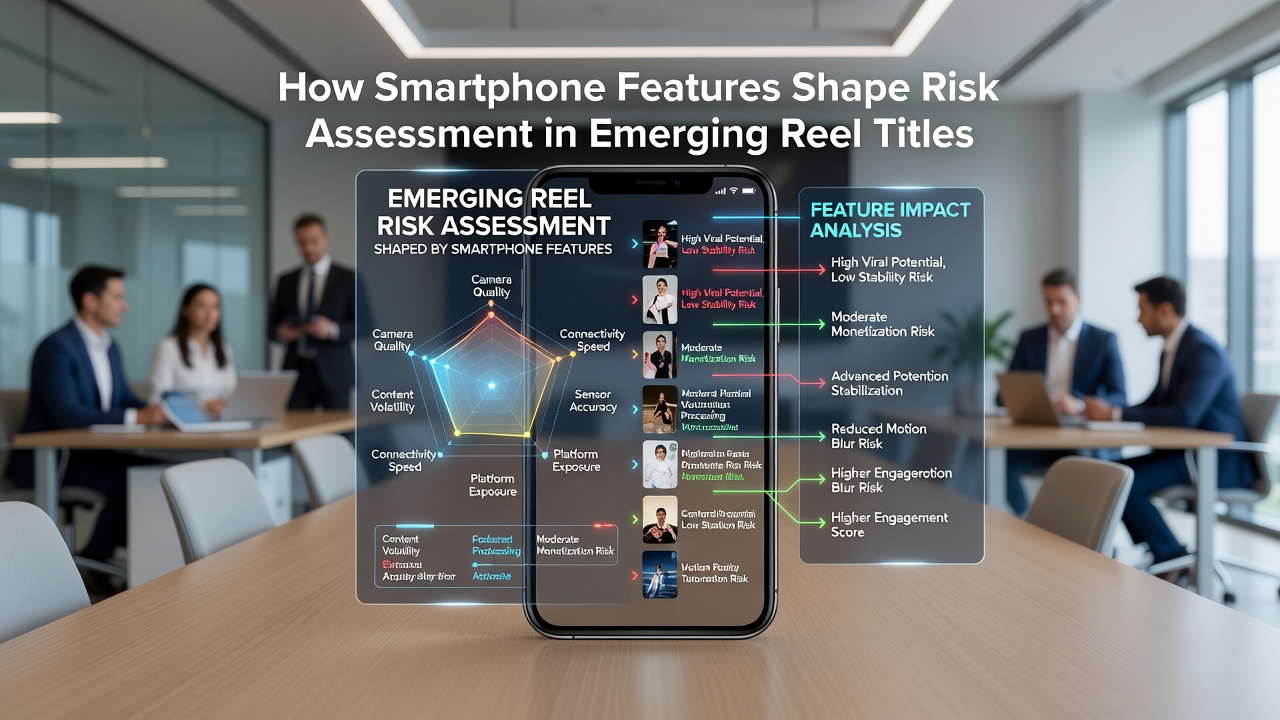
Smartphone accelerometers, gyroscopes, and AI chips now feed directly into risk calculation engines that developers apply to emerging reel titles, allowing volatility profiles to adjust based on device stability and user interaction patterns. Game studios integrate these hardware signals during the design phase so that payout structures reflect real-time device conditions rather than static mathematical models alone. Data from October 2026 shows multiple studios released titles where RTP ranges shifted by up to 1.8 percent when players used phones with advanced neural processors compared with older models.
Hardware Signals Enter Volatility Equations
Accelerometers detect tilt and shake while gyroscopes track rotation, and developers translate these readings into modifiers that affect reel stop probabilities in certain bonus rounds. A title released in early 2026 applied a micro-adjustment to symbol distribution when the phone registered consistent hand tremors above a set threshold, which effectively lowered medium-volatility spikes during extended sessions. Observers note that battery level also enters the algorithm because low-power modes throttle processor speed and reduce animation complexity, prompting developers to scale down jackpot frequency to maintain certified return percentages.
Screen refresh rates and touch sampling speeds further shape risk assessment because higher refresh displays allow faster spin sequences that increase the number of decisions per minute. Studies from the University of Nevada, Las Vegas indicate that titles optimized for 120Hz panels show a measurable rise in average bets per hour when paired with phones capable of sustained high-frame gameplay. Developers therefore recalibrate base game volatility downward for such devices to keep overall exposure within regulatory tolerances across markets.
Location Data and Personalization Layers
GPS and network triangulation provide geographic context that some studios fold into risk profiles, although strict data-protection rules limit direct use in many jurisdictions. One studio incorporated anonymized location density metrics so that titles displayed higher free-spin trigger rates in regions where regulatory bodies reported lower average session lengths. This approach lets risk models respond to population-level behavior without storing individual coordinates. Industry reports from the Canadian Gaming Association highlight similar experiments where network latency readings influenced bonus frequency caps to prevent server-side discrepancies during peak travel hours.
AI Co-Processors Drive Dynamic RTP Testing
Neural engines on recent flagship phones enable on-device simulation of millions of spins before a title reaches certification, shortening the traditional lab-testing window. Developers run Monte Carlo simulations locally and feed the resulting distribution curves straight into the risk assessment framework. Figures released in October 2026 by the Nevada Gaming Control Board show that titles using on-device AI testing passed compliance review 23 percent faster than those relying solely on cloud-based modeling. The same processors also allow post-launch patches that tweak volatility parameters when real-player data deviates from projected curves.
Touch pressure sensitivity and haptic response timing add another dimension because certain phones register lighter taps as distinct inputs, which can alter the perceived pace of play. Developers adjust reel timing and sound cues accordingly so that risk remains consistent across hardware variants. Research papers from the Technical University of Denmark document how haptic feedback loops influence decision speed and therefore the effective hit frequency in medium-volatility games.
Emerging Titles Adapt to Fragmented Device Ecosystems
With thousands of Android and iOS models active worldwide, studios now maintain device-specific risk matrices that update monthly. A single reel title might carry three separate volatility settings that activate based on detected chipset generation and RAM availability. This segmentation keeps certified RTP values stable while accommodating the performance spread that exists between flagship and budget handsets. Observers point to several October 2026 launches where the lowest-powered devices received a 0.6 percent RTP uplift to offset slower animation cycles that otherwise reduced spins per session.
Network type detection, including 5G versus older standards, also factors into server-side risk calculations because connection stability affects how often bonus rounds complete without interruption. Developers therefore apply conservative jackpot seeding on connections flagged as intermittent, reducing the chance of disputed outcomes. These adjustments appear in the technical documentation submitted to regulators in multiple regions and help maintain player trust across diverse hardware environments.
Conclusion
Smartphone hardware features have moved from passive delivery platforms to active inputs in risk assessment pipelines for new reel titles. Sensor data, processor capabilities, and network conditions now shape volatility and RTP parameters at both the development and post-launch stages. As device ecosystems continue to diversify, studios maintain separate risk matrices that respond to hardware signals while preserving compliance across jurisdictions. The integration of on-device AI testing further accelerates this process, allowing faster iteration without compromising certified return percentages.